Daniel K. Ludwig
The Invisible Billionaire
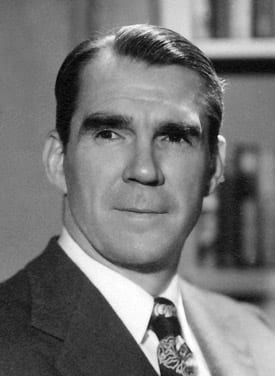
“I don't need people to interview me. I just need them to leave me alone so I can work.” Daniel K. Ludwig (paraphrased from contemporary reporting)
Daniel K. Ludwig was the wealthiest American for most of the 1970s, and almost nobody in the United States could have picked him out of a lineup. He did not appear in society pages. He did not host fundraisers. He did not give interviews. He commuted by subway. The journalists who tried to write about him spent years assembling the pieces of an industrial empire that he had built entirely in private, by vertically integrating every commodity he touched and pioneering a financing structure that let his assets pay for themselves.
For the operator audience, his career is a different kind of useful than the public raiders. He was the model for what serious, patient, asset-heavy wealth looks like when nobody is watching.
A barge at fifteen
He left school after eighth grade. His parents had divorced, his mother had taken him to Port Arthur, Texas, and he had drifted into the Gulf Coast shipping trade as a teenager. At fifteen he bought his first boat: a derelict barge, financed on instalment from the cargo revenue. The boat paid for itself in less than a year. The pattern was the one he would use, scaled by orders of magnitude, for the rest of his life.
By the 1930s he was operating a small fleet of tankers, mostly out of Norfolk and Baltimore, carrying refined petroleum for the major oil companies. In 1936 he formalised the operation as American Tankers Incorporated, the holding entity that became National Bulk Carriers, the corporate vehicle of every subsequent venture.
Mortgage shipbuilding
The single innovation that built Ludwig’s fortune is so simple, in retrospect, that it is hard to believe nobody had structured it that way before. He called it mortgage shipbuilding. The mechanics ran like this.
Step one: walk into Standard Oil or Esso, or any of the majors, and secure a long-term charter contract for a tanker that did not yet exist.
Step two: take the signed charter to Chase Manhattan or Continental Illinois and borrow the construction cost against the guaranteed future revenue. The bank’s risk was not really Ludwig; it was Standard Oil’s creditworthiness. Standard’s signature was as good as cash.
Step three: use the loan to build the ship. The ship started operating the day it was launched. The charter revenue serviced the loan on schedule. By the time the loan was paid off, Ludwig owned the tanker free and clear, and it had cost him effectively no upfront equity.
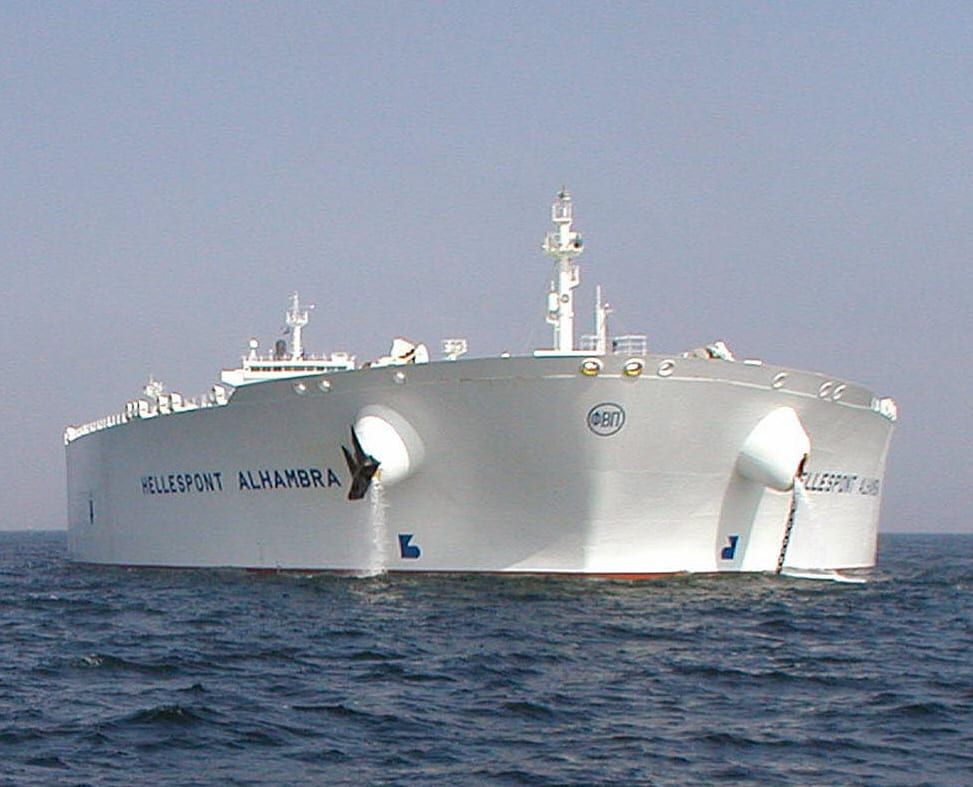
He repeated the structure dozens of times. By the late 1940s he was building tankers larger than anything the industry had seen: the first true supertankers, designed to move oil at scale at a fraction of the per-barrel cost. By the late 1950s he owned more private tonnage on the world’s oceans than anyone alive.
The Jari Project and the Amazon bet
Not every project worked. In 1967, looking for the next large bet, Ludwig bought four million acres of Brazilian Amazon rainforest for what he called the Jari Project. The vision was integrated: a pulp mill, a rice farm, a kaolin mine, a port, and the supporting infrastructure, all on one contiguous landholding. He shipped a floating pulp mill from Japan to the mouth of the Jari River on a barge.
The project ran for almost fifteen years. The pulp mill operated. The rice never grew at the projected yields. Costs over-ran. Brazilian political risk turned. In 1982 he sold the project to a Brazilian consortium at a substantial loss.
It was the rare time he did not get out cleanly. He took the lesson without complaint and walked.
How the playbook actually worked
Across shipping, refining, mining, real estate, and agriculture, the pattern of Ludwig’s career is unusually consistent.
First, he picked commodities. Oil, ore, pulp, grain, bauxite. Things the world will always need.
Second, he secured the customer before he built the asset. Almost every Ludwig project had a contract before it had a balance sheet. The contract was the collateral; the bank was the equity.
Third, he vertically integrated. If he owned the ship, he eventually owned the shipyard. If he owned the refinery, he eventually owned the tanker that fed it. Margin that other operators paid out to suppliers and customers stayed inside National Bulk Carriers.
Fourth, he held forever. There was no exit horizon. The supertankers ran for thirty years. The Panamanian ports he built operated for fifty. He was the rare M&A operator whose timeline was measured in human lifetimes.
Fifth, he stayed quiet. The structural advantage was real. Suppliers, customers, regulators, and competitors who did not understand what he was doing could not effectively respond. By the time the industry had reverse-engineered the supertanker, Ludwig had already moved to the next asset class.
The cancer money
He had no children. In 1971 he quietly founded the Ludwig Institute for Cancer Research and began funding it with operating cash flow from National Bulk Carriers. When he died in 1992 the bulk of his estate, valued at the time at well over $2 billion, passed to the Institute. The Ludwig Cancer Research network now operates in eight countries with hundreds of scientists, and it is among the largest privately funded cancer research operations in the world.
He had spent eighty years compounding the same playbook into one of the largest private industrial empires in American history, and he had spent almost none of it on himself. The last decision he made with the money was the one decision he could not delegate.
For the operator who reads this site, the takeaway is unglamorous and durable. Pick a commodity the world needs. Sign the customer first. Let the asset pay for itself. Hold forever. Stay quiet. The wealth that comes from this approach is not the kind that makes headlines, which is exactly the point.
Career timeline Key moments
- 1897 Born in South Haven, Michigan, the son of a small businessman.
- 1912 At fifteen, after his parents' divorce, leaves school and begins working on the Great Lakes shipping trade in Port Arthur, Texas.
- 1915 At eighteen, buys his first boat: a derelict barge that he refits and charters out for cargo. This is the seed of every business that follows.
- 1936 Founds American Tankers Incorporated, the predecessor of what will become National Bulk Carriers, his lifelong holding company.
- Late 1940s Invents the supertanker. He designs vessels far larger than anything in the industry and finances them through an innovation that becomes known as mortgage shipbuilding.
- 1950s Buys shipyards in Japan and Brazil, refining the model. By the end of the decade he is the largest private ship owner in the world.
- 1970s Becomes the wealthiest American by most published estimates. Continues to live modestly, ride the subway, and refuse essentially all interviews.
- 1967 Buys 4 million acres of Amazon rainforest in Brazil for the Jari Project, an attempt to build the world's largest integrated pulp, rice, and mineral operation in one location.
- 1982 Appears on the inaugural Forbes 400 list of the wealthiest Americans, with an estimated net worth of $2 billion.
- 1982 Sells Jari at a substantial loss to a consortium of Brazilian investors. The project never reached scale.
- 1992 Dies in New York City at 95. Most of his fortune passes to the Ludwig Institute for Cancer Research, a network he had quietly funded since 1971.
In their own words Selected quotes
-
“I don't need people to interview me. I just need them to leave me alone so I can work.”
Daniel K. Ludwig, paraphrased in contemporary reporting -
“I'm not in the shipping business. I'm in the oil business. I just happen to own the ships that move it.”
D.K. Ludwig, attributed in business histories -
“The best money is the money you do not have to repay until the asset has paid for itself.”
Daniel K. Ludwig, on his preferred financing structure -
“Build the ship that does not yet exist, and the cargo will follow.”
Daniel K. Ludwig, on the supertanker
Notable and surprising Things you might not know
- He left school after the eighth grade and never returned to formal education. He read voraciously his entire life: financial publications, naval engineering manuals, and government commodity reports.
- At fifteen he started his first business, buying a derelict barge and chartering it out. He paid for it on instalment from the cargo revenue. The pattern of the asset paying for itself became the central principle of every business he built afterward.
- He invented 'mortgage shipbuilding' in the 1940s. The structure: secure a long-term charter contract from an oil major first, then take the contract to a bank, borrow the construction cost against the guaranteed future revenue, and use the loan to build the ship. The ship financed itself. Almost every supertanker built since 1950 has used some version of this structure.
- By the late 1950s he owned the largest fleet of private tankers in the world and shipyards in Japan and Brazil capable of building them. He had vertically integrated the entire chain from steel plate to delivered oil.
- He was famously frugal despite being the wealthiest American. He commuted by subway, ate at automats, owned modest furniture, and reportedly used the same overcoat for thirty years.
- The Jari Project in the Amazon was his largest single bet and his largest failure. He purchased four million acres of rainforest in Brazil and tried to build an integrated pulp mill, rice farm, and bauxite mine on the site. The project was sold at a substantial loss in 1982.
- He never had biological children. The Ludwig Institute for Cancer Research, which he funded quietly for two decades and to which he left the bulk of his fortune in 1992, is now one of the largest private cancer research organisations in the world.
The Playbook How Daniel built it
- 01 The smartest leverage is contractually pre-sold output. If the customer signs first, the bank will lend against the contract, and the asset finances itself.
- 02 Vertical integration moves margin from your suppliers and customers onto your own balance sheet.
- 03 Long-duration physical assets compound quietly. Tankers, ports, refineries, and mines outlast every CEO and every market cycle.
- 04 Obscurity is an asset. Competitors who do not know you exist cannot react to you.
Published May 15, 2026