Ronald Perelman
The Leveraged Acquirer
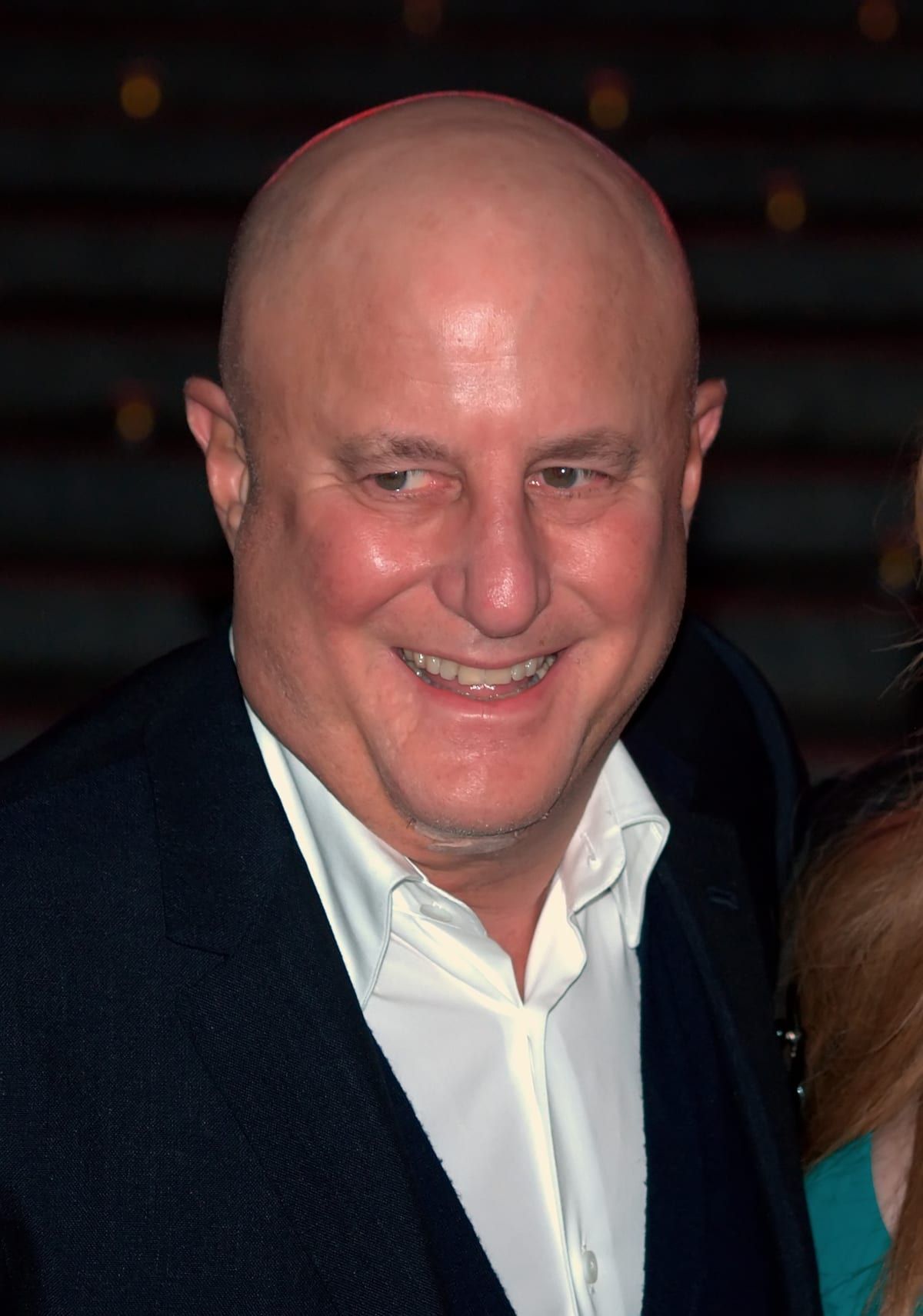
“The hardest thing in business is to make a decision.” Ronald Perelman
Ronald Perelman grew up in Bala Cynwyd, a comfortable suburb of Philadelphia, in a family that treated business the way other families treated religion. His father, Raymond Perelman, ran Belmont Iron Works, a steel fabricator, and a small constellation of other manufacturing companies that Raymond bought, fixed, and sold across the 1950s and 1960s. The Perelman dinner table was an informal investment committee. From around the age of twelve, Ronald was expected to sit in on the monthly Belmont board meetings, then come home and debrief his father over dessert. He later said the practice was a more useful education than the Wharton MBA he eventually collected.
He went to Friends’ Central School, then to the University of Pennsylvania, then straight on to Wharton, finishing his MBA in 1966. After graduation he went back to Philadelphia and joined his father at Belmont. He stayed for twelve years.
The break
In 1978 Ronald and Raymond Perelman fell out over the direction of Belmont. Friends from the period describe the dispute in terms that were partly business and partly something older. Raymond was a notoriously demanding parent, and Ronald, after a decade of taking orders from him, was ready to run his own platform. He left Belmont and started looking for an entry point of his own.
What he bought was Cohen-Hatfield Industries, a Philadelphia jewelry retailer that had been a public company for years and was trading well below the value of its assets. Most people saw a small conglomerate. Perelman saw a permanent, controlled platform he could borrow against, deal after deal.
Building the platform
In 1980 he used Cohen-Hatfield to buy a controlling stake in MacAndrews & Forbes, a modest Philadelphia conglomerate best known for licorice extract and chocolate ingredients. The name stuck. For the next forty years ‘MacAndrews & Forbes Holdings’ would be his holding-company brand, the legal vessel through which every subsequent deal flowed.
The early acquisitions established the method. Technicolor in 1983 at $105 million. Consolidated Cigar in 1984. A series of smaller industrial and consumer businesses across the early 1980s, each one financed with a thin sliver of equity and a stack of subordinated debt. Drexel Burnham Lambert provided much of the financing, and Perelman became one of Michael Milken’s most reliable repeat clients.
Revlon
In 1985 he aimed the platform at his largest target yet. Revlon was a famous, glamorous, and conspicuously underperforming cosmetics company, run by a domineering chief executive named Michel Bergerac. It was several times the size of anything Perelman had bought, and its board considered the very idea of an outside bid offensive.
The bidding vehicle was Pantry Pride, a Florida discount grocer that had recently emerged from Chapter 11. Pantry Pride had two attributes that mattered to Perelman: a clean public listing and an enormous bank of net operating losses that could be used to shelter Revlon’s future earnings from federal income tax. He took control of Pantry Pride, financed a tender offer at $47.50 a share through Drexel, and the public bid for Revlon began on August 19, 1985.
Bergerac fought it ferociously. The Revlon board adopted a poison pill, then sold off the company’s Vision Care division to Forstmann Little, a friendlier private equity firm, in what was structured as a defensive lock-up. Perelman simply kept raising his bid. The contest ran through the autumn. The final price was $58 a share, a total deal value of just under $1.8 billion.
The Revlon duties
The case ended in the Delaware Supreme Court. The court’s decision in Revlon, Inc. v. MacAndrews & Forbes Holdings became one of the most cited rulings in American corporate law. The reasoning, in plain English, drew a sharp line. A board may use defensive measures to protect a company and its shareholders from a threat to corporate policy. But once the breakup or sale of the company has become inevitable, once it is genuinely ‘in play’, the board’s role changes fundamentally. It can no longer act as a defender. It becomes an auctioneer, and its single duty is to secure the highest price reasonably available for shareholders.
Favouring one bidder for reasons other than price, to protect management or to punish a raider, was no longer permitted once that line had been crossed.
“The defences a board may use to remain independent are not the defences it may use once the company is already for sale.”
Every contested American takeover since 1986 has been fought, at least partly, over the question of whether the target is in ‘Revlon mode’ yet. A cosmetics deal had become a permanent fixture of the law.
After Revlon
He got Revlon, and he kept MacAndrews & Forbes as his vehicle for the next four decades. Through the late 1980s and the 1990s he moved into financial services, cigars, entertainment, banking, and biotech. He acquired First Gibraltar, a failed Texas savings and loan, in 1989 in a deal structured around FSLIC tax credits that produced large returns for the next decade. He bought Marvel Entertainment in 1989 and rode the comics company through what would become one of the most acrimonious bankruptcies of the 1990s, a Chapter 11 fight with Carl Icahn that ran for two years and ended badly for Perelman.
Some of those bets paid spectacularly. Many of them did not. His fortune rose, fell, and rose again, peaking by Forbes’ estimate at around $19 billion in 2018, then beginning a long compression that became unmistakable in the early 2020s.
The cigar and the art
His personal image, from the late 1980s onward, was anchored by two things: a Davidoff cigar in his hand and an art collection that was widely considered one of the most important in private hands in America. His Upper East Side townhouse and the Creeks, his summer compound in East Hampton, were hung with major works by Rothko, Picasso, Magritte, Giacometti, and Bacon. He was married five times, often to public figures, and his divorces became some of the most expensive in New York legal history.
The reversal
Starting in 2020 the collection began to come apart. Beginning that autumn and accelerating through 2023, Perelman quietly listed works at Sotheby’s and Christie’s, often at prices below previous appraisals. Press reporting indicated that the sales were forced by margin calls on personal loans he had taken against the art. MacAndrews & Forbes itself restructured debt at the operating-company level. Vericast, one of his largest portfolio companies, filed for Chapter 11 in 2023.
The lasting mark, regardless of the personal balance sheet, is structural. Perelman demonstrated, more cleanly than almost anyone, the full 1980s formula: a controlled holding company, junk-bond financing, a household-name target, and the patience to keep bidding. Acquire the brand, service the debt with its own cash flow, let the platform compound, and live to do the next deal.
Career timeline Key moments
- 1943 Born in Greensboro, North Carolina, the son of Raymond Perelman, a Philadelphia industrialist who built and rebuilt small manufacturing companies for a living.
- 1955 At twelve, sits in on his father's monthly business meetings at Belmont Industries. He later said the dinner-table debrief was a more useful business school than Wharton.
- 1966 Completes his Wharton MBA and joins his father's company full time.
- 1978 Breaks with Raymond Perelman and leaves Belmont Industries, citing a disagreement over the direction of the firm.
- 1978 Acquires Cohen-Hatfield Industries, a small Philadelphia jewelry retailer, as his first platform.
- 1980 Through Cohen-Hatfield, acquires control of MacAndrews & Forbes, a modest conglomerate best known for licorice extract and chocolate ingredients.
- 1983 Acquires Technicolor for $105 million, his first major leveraged deal at scale, financed in part through Drexel.
- 1985 Uses the discount grocer Pantry Pride, recently emerged from bankruptcy, as the bidding vehicle for the hostile takeover of Revlon.
- 1986 The Delaware Supreme Court rules in Revlon, Inc. v. MacAndrews & Forbes Holdings, establishing what would be called the 'Revlon duties'.
- 1989 Acquires First Gibraltar Bank, a failed Texas savings and loan, in a deal structured around FSLIC tax credits that produces large returns for the next decade.
- 1989 Buys Marvel Entertainment Group. The company will file for Chapter 11 protection in 1996 under his ownership.
- 2020 Begins selling pieces of his art collection at Sotheby's and Christie's, reportedly to meet calls on personal loans collateralised by the works.
- 2023 Continues forced sales of art, jewellery, and real estate. MacAndrews & Forbes restructures debt at the operating-company level.
In their own words Selected quotes
-
“The hardest thing in business is to make a decision.”
Ronald Perelman -
“I'm not a flipper. I'm an owner.”
Ronald Perelman, on the LBO model -
“Cash flow is king. Earnings are an opinion. Cash is a fact.”
Ronald Perelman, in interview -
“Every deal is its own deal. I do not believe in templates.”
Ronald Perelman, in interview -
“You buy a brand, you pay the brand back.”
Ronald Perelman, on the Revlon model
Notable and surprising Things you might not know
- His father Raymond Perelman ran Belmont Iron Works and a string of small manufacturing companies in Philadelphia. From the age of about twelve Ronald sat in on his father's monthly board meetings, and the dinner-table debrief became his real business education.
- The 'MacAndrews & Forbes' name came from a small Philadelphia firm that made licorice extract used in chewing tobacco and confectionery. Perelman bought it in 1980 and kept the name as his holding-company brand for the next four decades.
- The Revlon takeover was conducted through Pantry Pride, a Florida discount grocer that had recently emerged from Chapter 11 bankruptcy. Perelman wanted Pantry Pride for its net operating losses, the kind of tax shield that made hostile cash bids dramatically more attractive.
- His Revlon bid produced the Delaware Supreme Court ruling that established the so-called 'Revlon duties'. Every contested American corporate takeover since 1986 has been argued in the shadow of that one cosmetics deal.
- He bought Marvel Entertainment in 1989. Seven years later the company filed for Chapter 11 protection under his ownership, in a Chapter 11 fight with Carl Icahn that became one of the most acrimonious bankruptcies of the 1990s.
- He is famously a cigar smoker, photographed for decades with a Davidoff held casually in one hand. His personal cigar humidor at his Manhattan office reportedly held more than 7,000 sticks at its peak.
- He has been married five times, including to the gossip columnist Claudia Cohen and the actress Ellen Barkin, and his divorces have been some of the most expensive in New York legal history.
- His art collection, valued in the billions at its peak, included major works by Rothko, Picasso, Magritte, and Giacometti. Beginning in 2020 he began selling pieces through Sotheby's and Christie's, reportedly to satisfy personal loans collateralised by the works.
The Playbook How Ronald built it
- 01 A controlled holding company is a permanent platform for the next deal.
- 02 Junk bond financing let outsiders outbid incumbents for household-name companies.
- 03 Once a company is in play, the board's duty shifts from defence to getting the best price.
- 04 Acquire the brand, service the debt with its own cash flow, then repeat.
Published February 3, 2025