Wayne Huizenga
The Rollup King
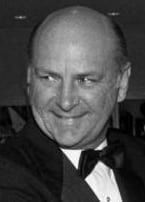
“Some people see an obstacle. I see an opportunity.” H. Wayne Huizenga
H. Wayne Huizenga did something nobody else in American business has ever done. He built three separate Fortune 500 companies from scratch, in three completely different industries, using the same playbook each time. He started with one garbage truck in 1962 and finished his career as the only person whose name appears three times in the founders’ column of the modern Fortune 500. Every operator working on a roll-up today is, knowingly or not, copying him.
The remarkable thing about Wayne Huizenga is how methodical he was. He did not stumble into wealth. He worked out, very early, which kind of industry could be profitably consolidated. He stuck to that pattern. And when one consolidation was complete and the resulting company was sold or matured, he moved to the next fragmented industry and ran exactly the same script again.
The garbage truck
He grew up partly in Illinois and partly in Florida. His paternal grandfather, Harm Huizenga, had emigrated from the Netherlands in 1893 and founded a small Chicago hauling business that had eventually been folded into other carting operations. The waste trade was a family inheritance, even though Wayne did not start out in it.
He spent one year at Calvin College in Grand Rapids before dropping out. He did a stretch in the US Army Reserve. By the early 1960s he was back in South Florida, looking for something to do, and in 1962 he bought a single used garbage truck in Pompano Beach for around $5,000. He drove the routes himself, before sunrise, then spent the afternoons knocking on commercial doors selling contracts.
That tiny operation, Southern Sanitation Service, became the first node of what would become Waste Management.
Waste Management
The model that made Huizenga famous was not in place from day one. He spent the early 1960s simply running the business and growing organically. By 1968 he had reached the size where consolidation began to make sense, and that year he merged Southern Sanitation with the operations of his cousin Dean Buntrock and several other regional haulers to form Waste Management, Inc.
The acquisition pace from there was unlike anything the industry had seen. In a single nine-month stretch in 1968 the new combined entity closed close to 100 acquisitions of small haulers. The company went public on the New York Stock Exchange in 1971 with $16 million of revenue, and the public stock instantly became the acquisition currency that funded the next decade of growth.
By the time Huizenga stepped down as president in 1984, Waste Management was the largest waste-hauling company in the world. Revenue had crossed a billion dollars. The playbook he had used was so clean it survived in its industry for the next forty years.
Blockbuster
The Blockbuster story is what made the playbook portable. In 1987, looking for a second act, Huizenga bought a 33 percent stake in a small chain of video rental stores. There were nineteen Blockbuster locations at the time. He took over as chairman, immediately, and applied the same six moves he had used in waste hauling.
Acquire small chains. Standardise the storefront. Integrate the back office. Use the rising public stock to pay for the next acquisition. Concentrate density in one geography before moving to the next. Keep the local owner running the location.
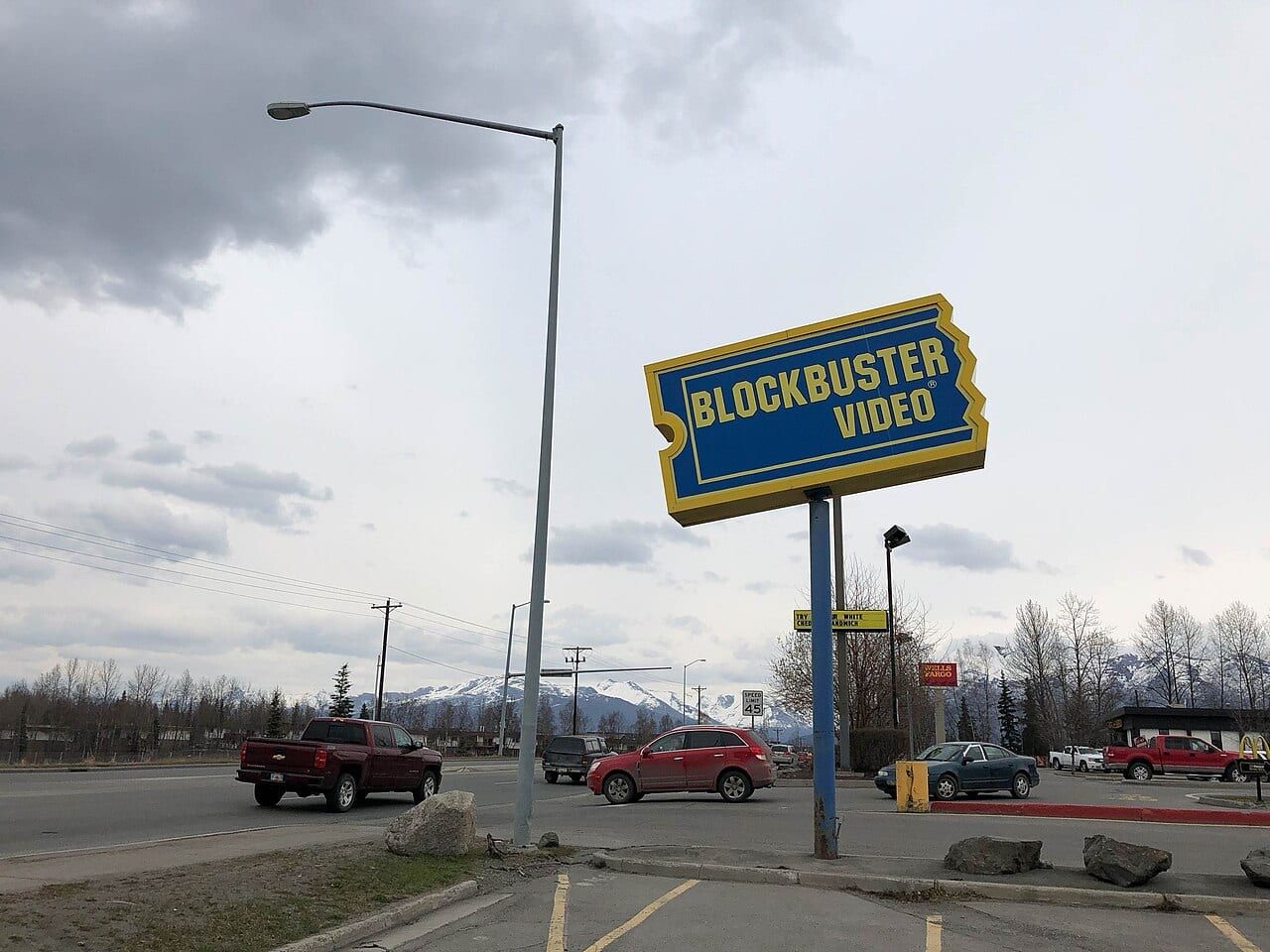
Seven years later, in 1994, Blockbuster had more than 3,700 stores. He sold the entire company to Viacom for $8.4 billion in stock.
AutoNation
The third act, which began in 1995, was the most ambitious. Huizenga founded Republic Industries as a holding company and immediately started acquiring waste businesses (again), security companies, and, most importantly, auto dealerships. The vision was specific. The American auto-retail industry had more than 22,000 independent dealerships, each one small, locally trusted, and run by a family who had been in the business for decades. He had seen that pattern before. He knew exactly what to do with it.
AutoNation, spun off from Republic in 1999, became one of the largest car retailers in the United States. The third Fortune 500 company. The same playbook, run for the third time, in the third industry.
Wayne’s Way
The playbook itself is worth setting down because it is unusually consistent. Every operator who has built a serious rollup since 1990 has implicitly or explicitly used some version of it. Huizenga did not write it down formally, but the moves are visible across all three of his companies.
-
Step 01
Pick a fragmented, sticky-revenue industry
Thousands of small operators, repeat or recurring revenue, local trust. Waste hauling, video rental, auto retail all met the spec.
-
Step 02
Get to public-market currency fast
Take the platform public early so the rising stock becomes the cheapest acquisition currency available. WMI IPO'd at $16M of revenue.
-
Step 03
Concentrate before you expand
Build density in one metro until it is the dominant operator. Then expand to the next metro. Density compounds route efficiency, marketing leverage, and pricing power.
-
Step 04
Standardise the operation
Same trucks, same routes, same store layout, same accounting, same training. The platform's value is in the consistency every tuckin inherits at closing.
-
Step 05
Keep the local owner
The customer relationships are the asset you bought. Roll the seller into a manager role with vested equity tied to the next three years' performance.
-
Step 06
Close fast
Standardise the contract template. Shorten diligence to weeks. The first signed deal teaches you everything you need to close the next ten in a quarter.
-
Step 07
Let multiple arbitrage do the work
You bought small businesses at 3-5x EBITDA. The combined platform sells at 8-12x. The spread, on every dollar of acquired earnings, is the engine.
-
Step 08
Exit at scale, then start again
Sell or spin out the platform at the institutional buyer's multiple. Carry the cash, the playbook, and the team into the next fragmented industry.
The whole sequence is what later operators came to call buy-and-build. Almost every modern private equity sponsor uses some version of it, and almost every one of them traces, directly or indirectly, to Wayne Huizenga’s three demonstrations of the formula.
The sports owner phase
By the mid-1990s Huizenga was a billionaire and turned to ownership of professional sports franchises. He owned the Florida Marlins (MLB), the Florida Panthers (NHL), and the Miami Dolphins (NFL) simultaneously, a feat no other person has matched. The Marlins won the 1997 World Series under his ownership, four years after the team was founded as an expansion franchise.
The sports holdings were never the financial engine. They were the public-facing reward of a career built on something almost nobody outside of finance understood: that the cheapest way to get rich in America was to pick the right fragmented industry and patiently consolidate it.
Legacy
Huizenga died in Fort Lauderdale on March 22, 2018, aged eighty. The obituaries focused on the three Fortune 500 companies, which is the easy headline, but the more important thing he left behind is the playbook itself. The American economy in 2026 still has tens of thousands of fragmented industries that meet his eight criteria, and a generation of operators is using his exact method to build the next set of large fortunes. The truck, the storefront, the dealership, the dental practice, the pest-control route, the IT-services firm: the pattern is the same.
He started with one truck. He ended with a method that any disciplined operator can borrow.
Career timeline Key moments
- 1937 Born in Evergreen Park, Illinois. His grandfather Harm had emigrated from the Netherlands in 1893 and founded a small Chicago waste-hauling business; the family trade went back two generations.
- 1953 Family moves to Florida. He attends school in Pompano Beach and later spends one year at Calvin College in Grand Rapids, Michigan, before dropping out.
- 1962 At 25, with $5,000 of savings, buys his first garbage truck in Pompano Beach, Florida, and founds Southern Sanitation Service. He drives the routes himself.
- 1968 Merges Southern Sanitation with his cousin Dean Buntrock's Ace Scavenger and several other regional haulers to form Waste Management, Inc. Begins the first systematic acquisition spree, closing close to 100 small haulers in 9 months.
- 1971 Takes Waste Management public on the NYSE. Revenue: $16 million. The public stock becomes the acquisition currency for the next decade.
- 1984 Steps down as president of Waste Management. By this point WMI is the largest waste hauler in the world.
- 1987 Buys 33% of Blockbuster Video. The chain has 19 stores.
- 1989 Becomes chairman of Blockbuster. Begins the rollup. Acquires Major Video, Erol's, and dozens of smaller regional chains.
- 1993 Buys the Florida Marlins expansion baseball franchise. (They win the World Series four years later, in 1997.)
- 1994 Sells Blockbuster to Viacom for $8.4 billion in stock. The company now has more than 3,700 stores.
- 1995 Founds Republic Industries. Begins consolidating waste, security, and auto retail.
- 1996 Launches AutoNation, applying the rollup model to America's 22,000 independent auto dealerships.
- 1999 Spins off AutoNation, Republic Services, and ANC Rental as three separate public companies. Each becomes a Fortune 500 firm in its own right.
- 2018 Dies in Fort Lauderdale on March 22. Recognised as the only person to have founded three Fortune 500 companies from scratch.
In their own words Selected quotes
-
“Some people see an obstacle. I see an opportunity.”
H. Wayne Huizenga -
“The thing about being public is that the stock becomes your currency. You can buy companies with paper.”
H. Wayne Huizenga, on the Waste Management playbook -
“We never bought the truck. We bought the customer list.”
Wayne Huizenga, attributed in Tom Searcy's 'How to Sell Anything to Anyone Anytime' -
“Hard work is the only thing that ever worked for me. I have been working hard since I was twelve years old.”
H. Wayne Huizenga -
“If you want to be a success, surround yourself with people who are smarter than you.”
H. Wayne Huizenga
Notable and surprising Things you might not know
- His grandfather Harm Huizenga emigrated from the Netherlands and founded a small Chicago hauling business in 1893. By the time Wayne bought his first truck in 1962, the family had been in waste for two generations.
- He started Southern Sanitation Service in 1962 with $5,000 in savings and one truck. He drove the routes himself in the morning before sunrise and sold contracts to local businesses in the afternoon.
- In 1968, the year Waste Management was formed, he and his partners completed close to 100 acquisitions of small haulers in a single nine-month period.
- Blockbuster grew from 19 stores in 1987 to more than 3,700 stores in 1994 under his ownership. He sold the company to Viacom for $8.4 billion in stock that year.
- He owned three professional sports franchises simultaneously in Florida: the Marlins (MLB), the Dolphins (NFL), and the Panthers (NHL). The Marlins won the 1997 World Series under his ownership.
- He is widely recognised as the only person to have founded three separate Fortune 500 companies (Waste Management, Blockbuster, AutoNation) using a single repeatable playbook.
- He famously closed many of his acquisitions in days, not months. The standard Huizenga deal contract was reportedly less than 30 pages and the diligence cycle ran in weeks.
- He kept the original owners as managers of the businesses he acquired. The local owner's relationships, he argued, were the asset he was actually paying for.
The Playbook How Wayne built it
- 01 The largest rollup fortunes are built in fragmented industries with sticky local revenue and thousands of independent operators.
- 02 Public-market currency is the fuel. Go public early and pay for acquisitions in stock, then let the multiple expand.
- 03 Geographic density beats geographic spread. Concentrate first; expand second.
- 04 Keep the seller running the business. Their relationships are the asset you actually bought.
- 05 Speed of integration is a moat. The first 90 days set the platform for the next 100 deals.
Published May 15, 2026