Wilbur Ross
The Distressed Specialist
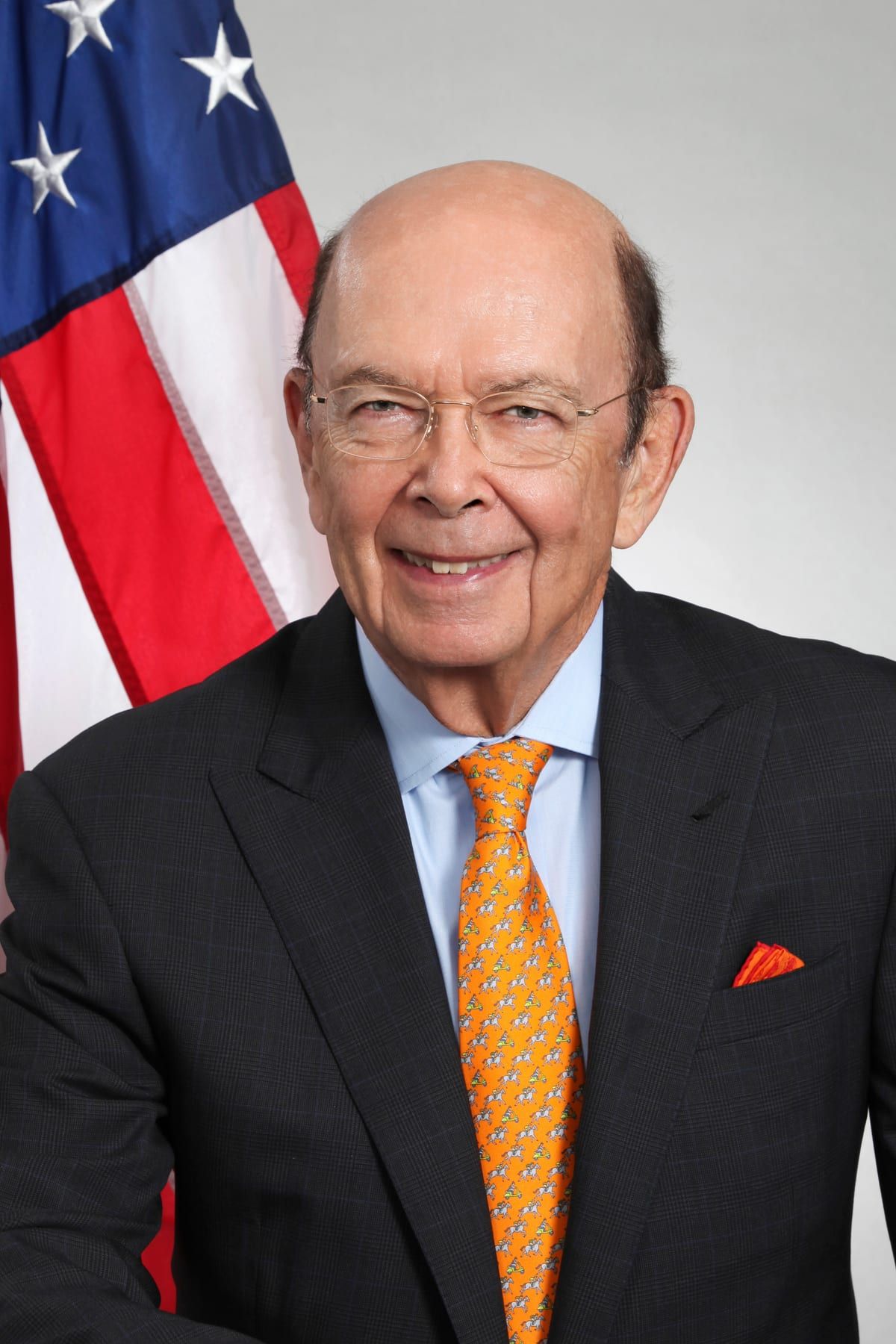
“Some of the most attractive companies in the world are bankrupt.” Wilbur Ross
Wilbur Ross built his fortune by buying companies that almost nobody else in American finance would touch. For roughly four decades he stood at the back of the auction rooms where Chapter 11 trustees were trying to sell off the assets of bankrupt steel mills, coal mines, and textile plants. While the rest of Wall Street was bidding for clean, profitable mid-market companies at eight times EBITDA, he was buying entire industries at a fraction of book value. The companies were broken. The discipline to fix them is the whole story.
The Rothschild apprenticeship
Wilbur Ross was born in 1937 in Weehawken, New Jersey, read literature at Yale (he was a published poet in his early twenties), and then went to Harvard Business School in 1961. He spent the early part of his Wall Street career in a series of unremarkable corporate-finance roles before joining Rothschild Inc in 1976 as the head of its restructuring and bankruptcy advisory practice. He stayed for twenty-four years.
In that role he was the man companies in Chapter 11 hired to negotiate with their creditors. He sat through hundreds of bankruptcy proceedings on behalf of failing companies in steel, coal, textiles, retail, and airlines. He understood the mechanics of the process at a level almost nobody else in finance did, because he had been doing the work for two decades when most of his eventual competitors were still in business school.
By the mid-1990s he had drawn an obvious conclusion. The companies he was being paid to advise were going for almost nothing in their bankruptcy auctions. If he was going to do the work anyway, he might as well be the buyer.
International Steel Group
In 1998 he founded WL Ross & Co as a buyout firm alongside the Rothschild advisory practice. For two years he raised capital quietly. Then, in 2000, the American steel industry collapsed.
Asian competition, legacy pension liabilities, and decades of underinvestment had ground the major American steel producers into bankruptcy one by one. LTV Steel filed for Chapter 11 in December 2000. Bethlehem Steel followed in October 2001. By 2002 essentially the entire integrated American steel industry was either in or near bankruptcy.
Ross bought LTV in early 2002 out of liquidation. He bought Bethlehem Steel in 2003. He bought Acme Steel, Weirton, Georgetown, and several other producers over the next two years. He combined them into a single operating company called International Steel Group.
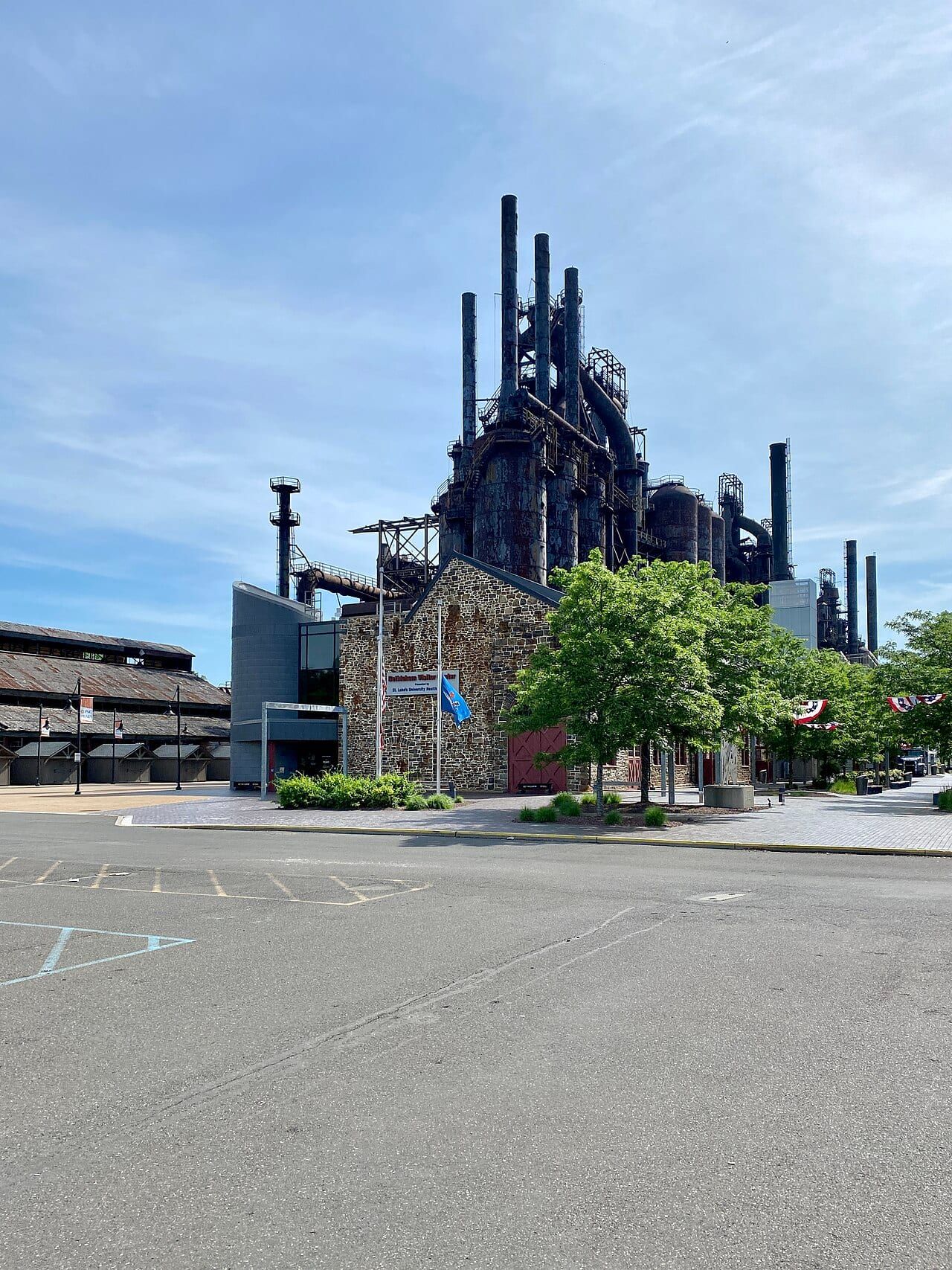
The math worked because of one feature of Chapter 11 that most investors do not understand. When a company files for bankruptcy, the court has the authority to reject or renegotiate its existing contracts: union agreements, pension obligations, supply contracts, real estate leases. A buyer who acquires the assets out of bankruptcy can negotiate these liabilities down before closing. The same physical steel mill that was unprofitable under its old cost structure becomes a viable business under a renegotiated one.
International Steel Group was sold to Mittal Steel in April 2005 for approximately $4.5 billion in cash and stock. Ross had assembled the underlying assets for somewhere in the range of $1.5 billion. The trade was one of the cleanest distressed-investing case studies of the decade.
The same playbook in three more industries
What made Ross’s career instructive, rather than a single lucky cycle, was that he ran exactly the same playbook three more times.
Coal: International Coal Group, assembled out of bankrupt mining operations between 2004 and 2008, sold to Arch Coal in 2011 for $3.4 billion.
Textiles: Cone Mills and Burlington Industries, two bankrupt American textile producers, combined into the International Textile Group between 2003 and 2005.
Auto parts: International Automotive Components, built out of bankrupt interior and exterior trim suppliers in 2005 to 2007.
Each industry was different in its specifics. Each was identical in mechanic. Wait for the cycle to turn against the industry. Wait for the largest operators to file Chapter 11. Buy the assets out of bankruptcy with renegotiated liabilities. Consolidate into a single platform. Sell to an international strategic buyer at the top of the next cycle.
The Ross Method
The distressed-investing playbook is unusually specific. After eight major consolidations across four industries it can be written down step by step.
-
Step 01
Pick an industry the rest of finance has given up on
Steel in 2001. Coal in 2005. Textiles in 2003. Banking in 2009. The industries the cover stories say are dead are the ones with the cheapest assets.
-
Step 02
Wait for the big operators to file Chapter 11
You do not buy in the merely-declining phase. You wait until the industry leaders are actually in court, because that is when the asset prices reset to liquidation value.
-
Step 03
Buy the assets, not the company
Asset purchases through Chapter 11 let you leave the legacy liabilities behind. Pension obligations, union contracts, environmental claims: most can be renegotiated through the court before closing.
-
Step 04
Consolidate aggressively
Buy three to ten operators in the same industry. The consolidation produces pricing power, scale economies, and a sale candidate the strategics will actually pay for.
-
Step 05
Recapitalise with conservative debt
The new entity does not carry the old debt. Capitalise it with modest senior leverage and meaningful equity. The bankruptcy auction is the one moment the leverage can be sized for the actual cash flow.
-
Step 06
Operate seriously for three to five years
Distressed investing is not financial engineering. The platform has to actually run better than the predecessors did. Capex discipline, real management hiring, focused product mix.
-
Step 07
Sell to a strategic at the top of the next cycle
Commodity cycles run roughly seven to ten years. The international strategics that did not buy in the trough will buy at the peak. The exit multiple is the cycle premium.
-
Step 08
Find the next industry in the trough
While the exit is being celebrated, the next distressed industry is already filing its first Chapter 11s. The discipline is to be patient and to be already capitalised for the next cycle.
The Commerce Secretary years
In January 2017 Ross was confirmed as the 39th United States Secretary of Commerce. He served the entire first Trump administration, until January 2021. He is the only person on this site to have held a cabinet-level position. The role is not the subject of this profile, but it is the moment his decades of work with American industry, particularly with the steel and coal sectors that he had personally consolidated, became national policy.
Why he matters to the operator audience
The Ross archetype is rare among the profiles on this site. Most operators here built wealth in growing industries. Ross built it in shrinking ones. The crucial insight is that the cheapest assets in America at any moment are the ones nobody else wants. The market for clean, profitable mid-market companies is competitive and expensive. The market for bankrupt or near-bankrupt assets is structurally underbid because the operational work is hard, the timeline is long, and most institutional capital cannot stomach the headlines.
The discipline to stand at the back of the auction room while the rest of finance is bidding on cleaner targets is the entire trade. Anyone who can do it has a permanent niche, because cycles always turn and somebody is always going bankrupt.
His 2024 memoir, Risks and Returns, is the most candid published account of how a serious distressed investor reads a Chapter 11 filing. For the operator considering this archetype, it is the single best starting point.
Career timeline Key moments
- 1937 Born in Weehawken, New Jersey.
- 1959 Graduates from Yale with a degree in literature. He had spent the years there writing poetry; the move to finance comes later.
- 1961 Receives his MBA from Harvard Business School and joins Wall Street.
- 1976 Joins Rothschild Inc. Begins advising bankrupt companies and their creditors during Chapter 11. He runs Rothschild's bankruptcy practice for the next 24 years.
- 1998 Founds WL Ross & Co as a buyout vehicle alongside the Rothschild advisory practice. The strategy: stop advising distressed companies and start buying them.
- 2000 Acquires LTV Steel and Bethlehem Steel out of bankruptcy. These are the foundation of International Steel Group.
- 2002 to 2004 Adds Acme Steel, Weirton Steel, Georgetown Steel, and several other bankrupt mills to International Steel Group. The combined entity becomes the largest US steel producer by capacity.
- 2005 Sells International Steel Group to Mittal Steel for approximately $4.5 billion. The exit is one of the most cited distressed-investing case studies of the decade.
- 2004 to 2006 Runs the same consolidation playbook in coal (International Coal Group), textiles (Cone Mills, Burlington Industries), and auto parts (International Automotive Components).
- 2006 Sells WL Ross & Co to Invesco for $375 million in stock plus continued involvement. Stays on as chairman.
- 2011 Sells International Coal Group to Arch Coal for $3.4 billion.
- 2017 Sworn in as the 39th United States Secretary of Commerce, serving the entire Trump administration's first term until January 2021.
- 2024 Publishes Risks and Returns, a memoir tracing the distressed-investing playbook through forty years of cycles.
In their own words Selected quotes
-
“Some of the most attractive companies in the world are bankrupt.”
Wilbur Ross -
“Most investors look at the income statement. We look at the balance sheet, the union contract, and the pension liability. That is where the actual decision is.”
Wilbur Ross, in Masters of Private Equity and Venture Capital -
“You are not buying the company. You are buying the assets and a chance to renegotiate everything that was wrong about it.”
Wilbur Ross, on the mechanics of Chapter 11 acquisition -
“Patience is the cheapest input in the distressed business. The cycle always turns.”
Wilbur Ross, in interview -
“If you cannot tolerate sitting on an asset for three years, you should not be in this business.”
Wilbur Ross
Notable and surprising Things you might not know
- He read literature at Yale, not finance. He was a published poet in his twenties and considered a literary career before switching to Harvard Business School.
- He spent 24 years at Rothschild Inc advising distressed companies and their creditors before he decided he could earn far more by buying the companies himself. The 1998 founding of WL Ross & Co was the operational version of work he had been doing as an advisor since 1976.
- His International Steel Group consolidation between 2000 and 2004 absorbed eight separate bankrupt steel mills: LTV, Bethlehem, Acme, Weirton, Georgetown, and others. The combined entity became the largest steel producer in the United States by capacity.
- He sold ISG to Lakshmi Mittal in 2005 for $4.5 billion, roughly three times what he had paid for the underlying assets, in cash and Mittal stock. The Mittal stock subsequently rose, increasing the realised return further.
- He took the same playbook to coal (International Coal Group, sold to Arch Coal 2011), textiles (Cone Mills, Burlington Industries), and auto parts (International Automotive Components). Different industries, identical mechanic.
- He served as the 39th United States Secretary of Commerce from 2017 to 2021 in the Trump administration, the only person on this site to have held a cabinet-level position.
- His memoir, Risks and Returns, was published in 2024 and is the most candid published account of how a serious distressed investor reads a Chapter 11 filing.
The Playbook How Wilbur built it
- 01 The cheapest assets in America at any moment are the ones in Chapter 11. Most buyers will not touch them. The discipline to do so is the entire business.
- 02 Consolidate at the bottom of the cycle. Pricing power follows ownership concentration, and ownership concentration is cheapest when the industry is bankrupt.
- 03 Pension and legacy liabilities are negotiable when a target is in bankruptcy. They are not when it is solvent.
- 04 Sell to a strategic buyer at the top of the next cycle. The same assets that nobody wanted at zero sell to international competitors at full strategic value once the cycle turns.
Published May 16, 2026